Why it exists
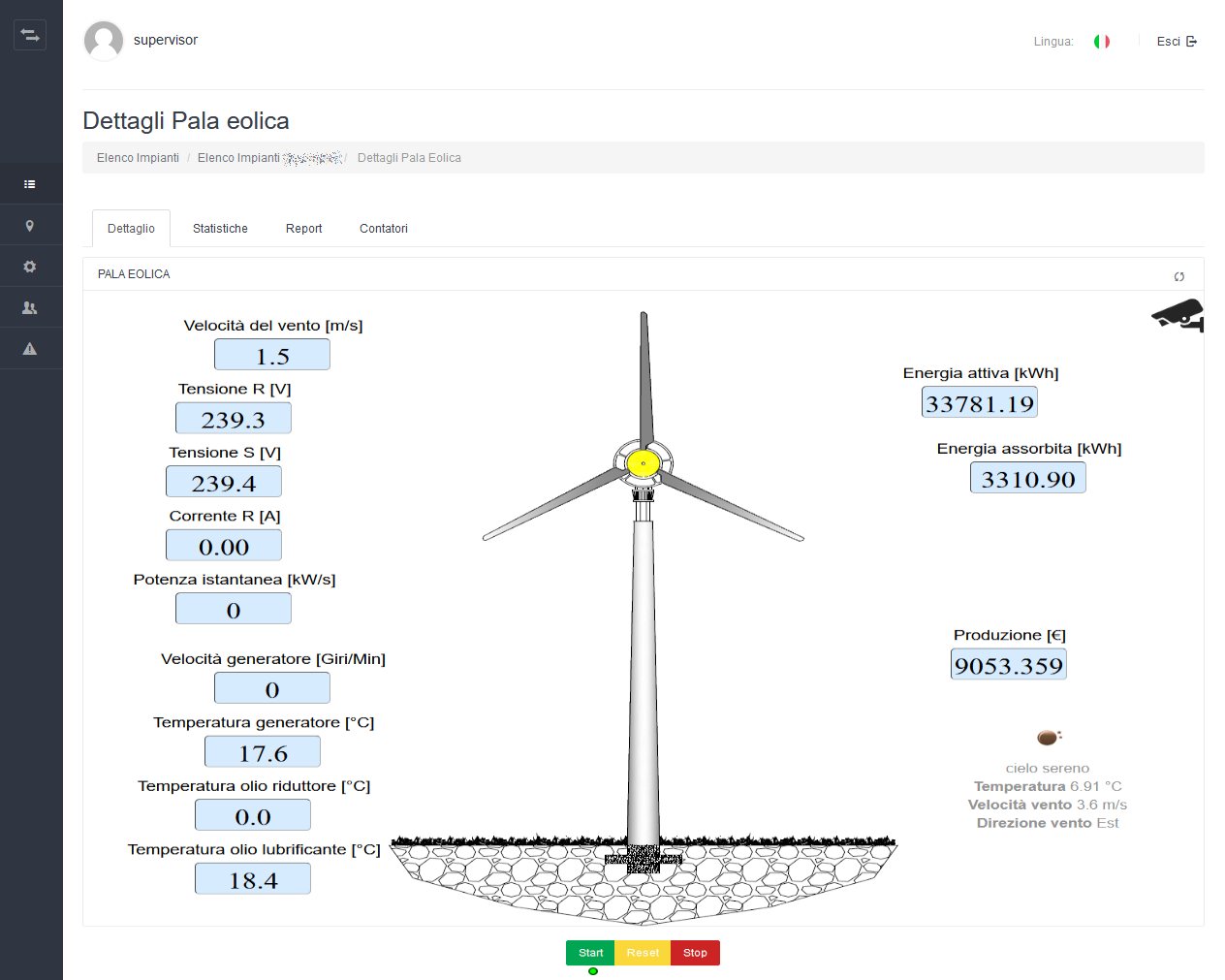
CaSCADA began as an industrial remote-control and monitoring system for SCADA-oriented scenarios. Its original purpose was to collect data from industrial devices, sensors and PLC-driven plants, expose operational state through a web interface and support remote supervision of real-world systems.
Project media
Architecture
- Original system: PHP/MySQL web platform for telemetry visualization and plant state management.
- PLC Omron integration through an auxiliary .NET component.
- Used in wind turbine, aqueduct lifting and cylinder filling scenarios.
- Designed around real operational constraints such as remote access, continuity and plant supervision.
- A later GitHub spin-off reimagined the concept for agricultural monitoring with edge, fog and cloud layers.
Key features
- Industrial telemetry visualization.
- Remote device and plant supervision.
- PLC-oriented integration.
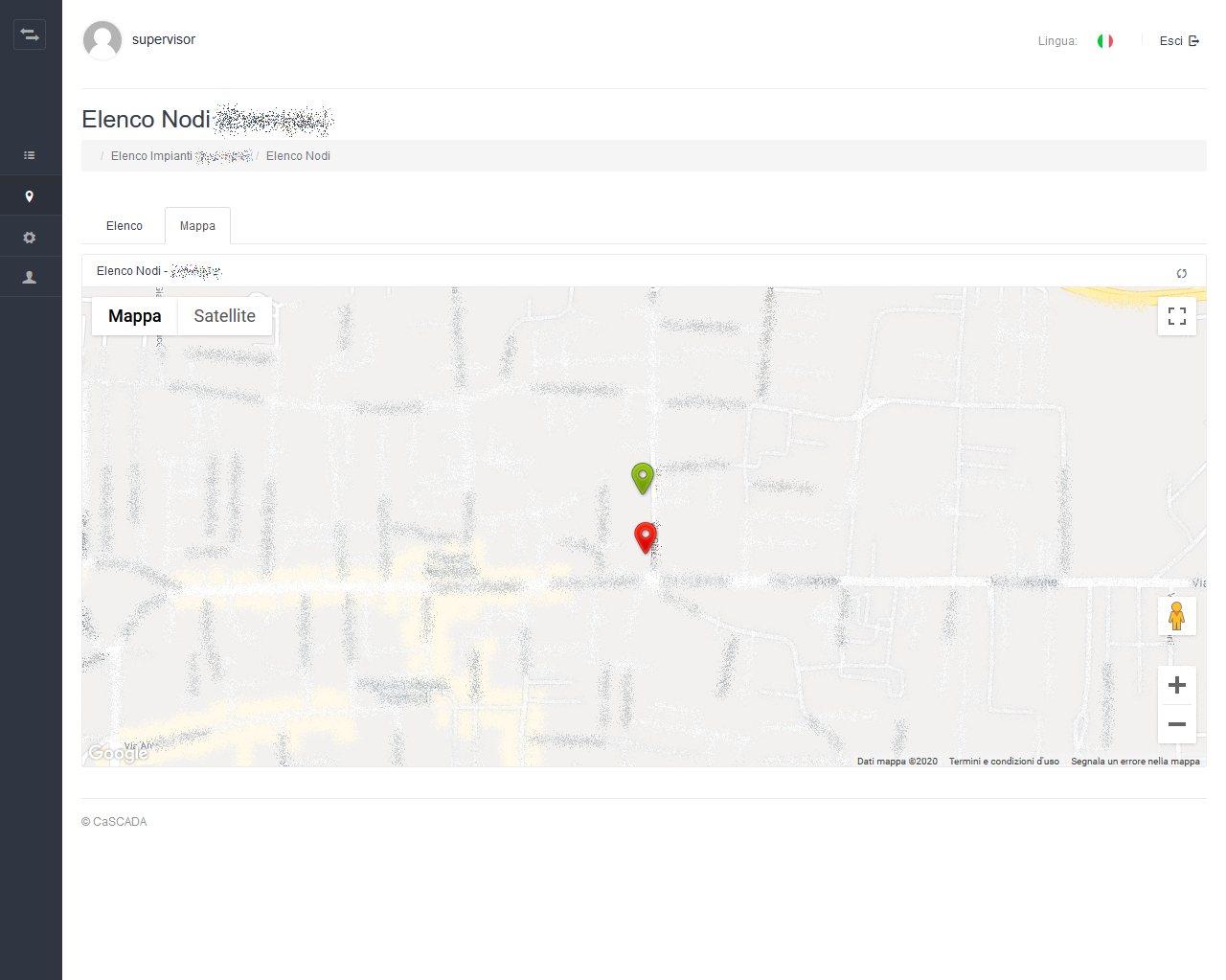
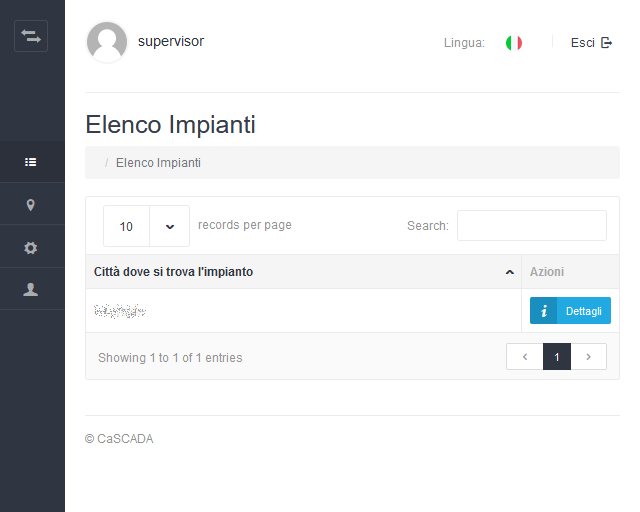
- Plant status and geographic overview interfaces.
- High availability-oriented operational mindset.
- Inspired a later hackathon-oriented spin-off focused on agriculture, IoT, AI insights and application-layer security.
Design decisions
The public GitHub repository is not the original production CaSCADA system. It is a later spin-off/prototype that reimagines the platform for sustainable agriculture, IoT data collection, carbon-footprint estimation and security-by-design. The original project remains important because it connects early web development with industrial automation and real physical infrastructure.
About the GitHub spin-off
The linked repository should be read as a conceptual evolution rather than the original CaSCADA codebase. It proposes an edge/fog/cloud architecture using ESP32 devices, Raspberry Pi gateways, secure TLV payloads, PSK/HMAC-based integrity, a React/MongoDB cloud dashboard and AI-generated environmental insights.